


Essential routine exams for Venezuelans:
medical checkups you shouldn't miss every year.
Why is it important to have routine checkups?
Many common illnesses begin silently and are only detected through routine medical studies. An annual checkup provides an overview of the functioning of major organs and systems and allows your doctor to compare results over time to identify changes or trends.
Regular visits to a clinical laboratory facilitate the early detection of conditions such as diabetes, hypertension, kidney problems, and hormonal disorders.
Basic tests that every Venezuelan should have at least once a year
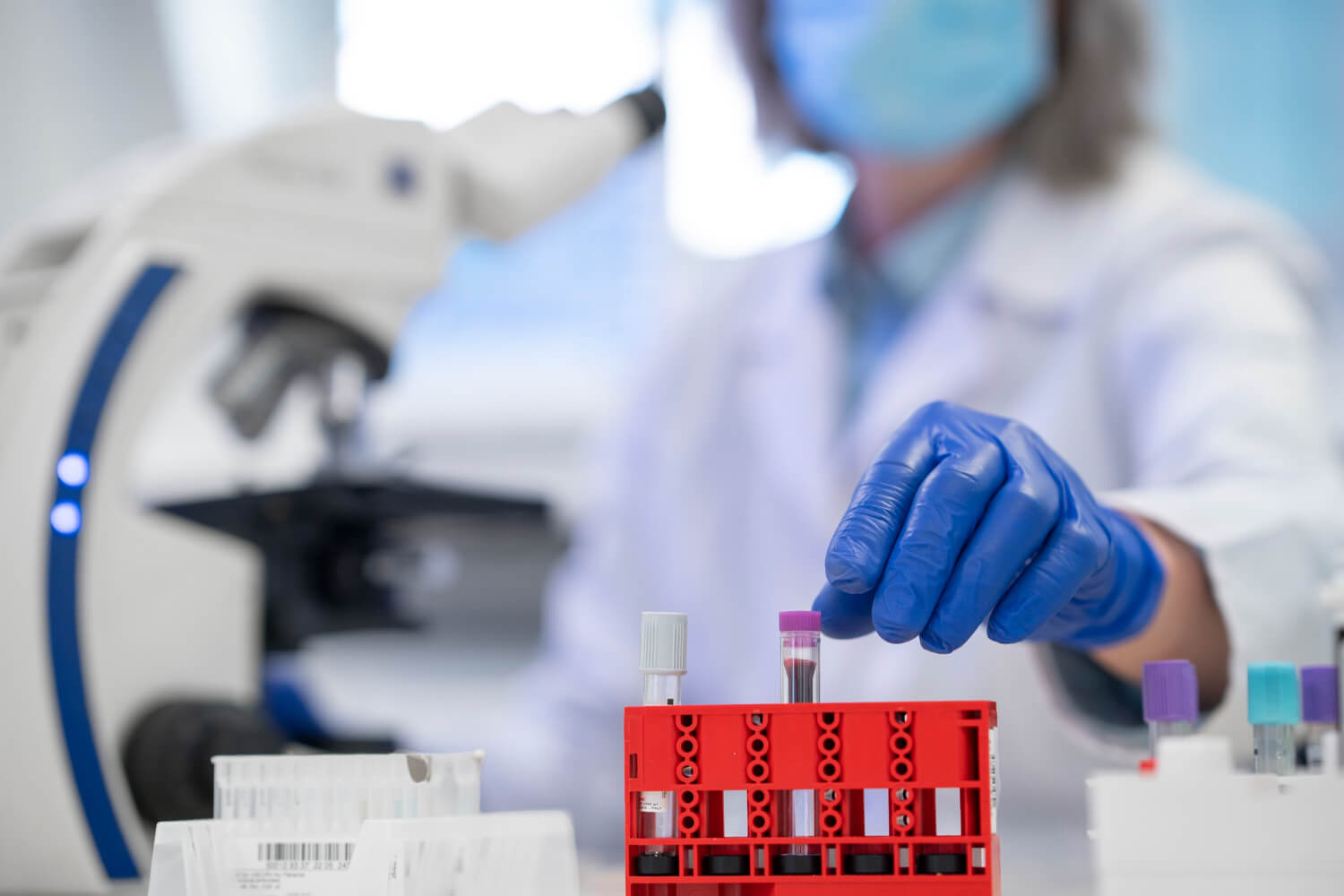
The following are the tests most recommended by specialists and their usefulness:
1. Complete blood count
Hematology measures the quantity and quality of red blood cells, white blood cells, and platelets. This test can identify:
- Iron or vitamin deficiency anemia.
- Developing infections.
- Coagulation disorders.
2. Blood Chemistry
Clinical chemistry includes tests that evaluate metabolism and the function of vital organs:
- Blood Glucose: Can detect diabetes or prediabetes.
- Lipid Profile (cholesterol and triglycerides): Essential for assessing cardiovascular risk.
- Kidney Function (urea and creatinine): Shows the status of the kidneys.
- Liver Function (transaminases, bilirubin): Evaluates liver health.
In contexts like Venezuela, where the diet can be high in fats and carbohydrates, these studies are especially important.
3. Urine Test
A simple but revealing urine test: Helps diagnose urinary tract infections, kidney problems, diabetes, and metabolic disorders.
4. Serology
Serology tests evaluate the presence of antibodies and are recommended to rule out relevant infections:
- HIV
- Hepatitis B and C
- Syphilis (VDRL)
These tests are important for both young and old and are part of a comprehensive prevention approach.
5. Thyroid Profile
Thyroid hormones (TSH, T3, T4) control metabolism and affect weight, energy, and mood. Problems such as hypothyroidism or hyperthyroidism often go undetected without specific testing.
6. Hormonal Tests by Age and Sex
Depending on the stage of life and health history, the following may be recommended:
- Female hormonal profile (estrogen, progesterone, prolactin).
- Male hormonal profile (testosterone, PSA).
These tests are key to reproductive health, hormonal balance, and the early detection of prostate conditions.
7. Additional Tests Based on Medical History and Risk Factors
In addition to the basic tests, additional tests may be recommended, such as:
- Electrocardiogram for those over 40 or with a history of cardiovascular disease.
- Stool test to detect intestinal parasites.
- Tumor markers if there is a family history of cancer.
Tips for Preparing for Your Tests
- Fresh for 8 to 12 hours before most blood tests.
- Inform your doctor about any medications, supplements, or treatments you are taking.
- Avoid alcohol and fatty foods the day before.
- Get a good night’s sleep and stay hydrated the night and morning before the test.
Do you have any questions? If you need help, contact a specialist through the following link: Dr. Miguel Morales.
Choosing a Reliable Laboratory
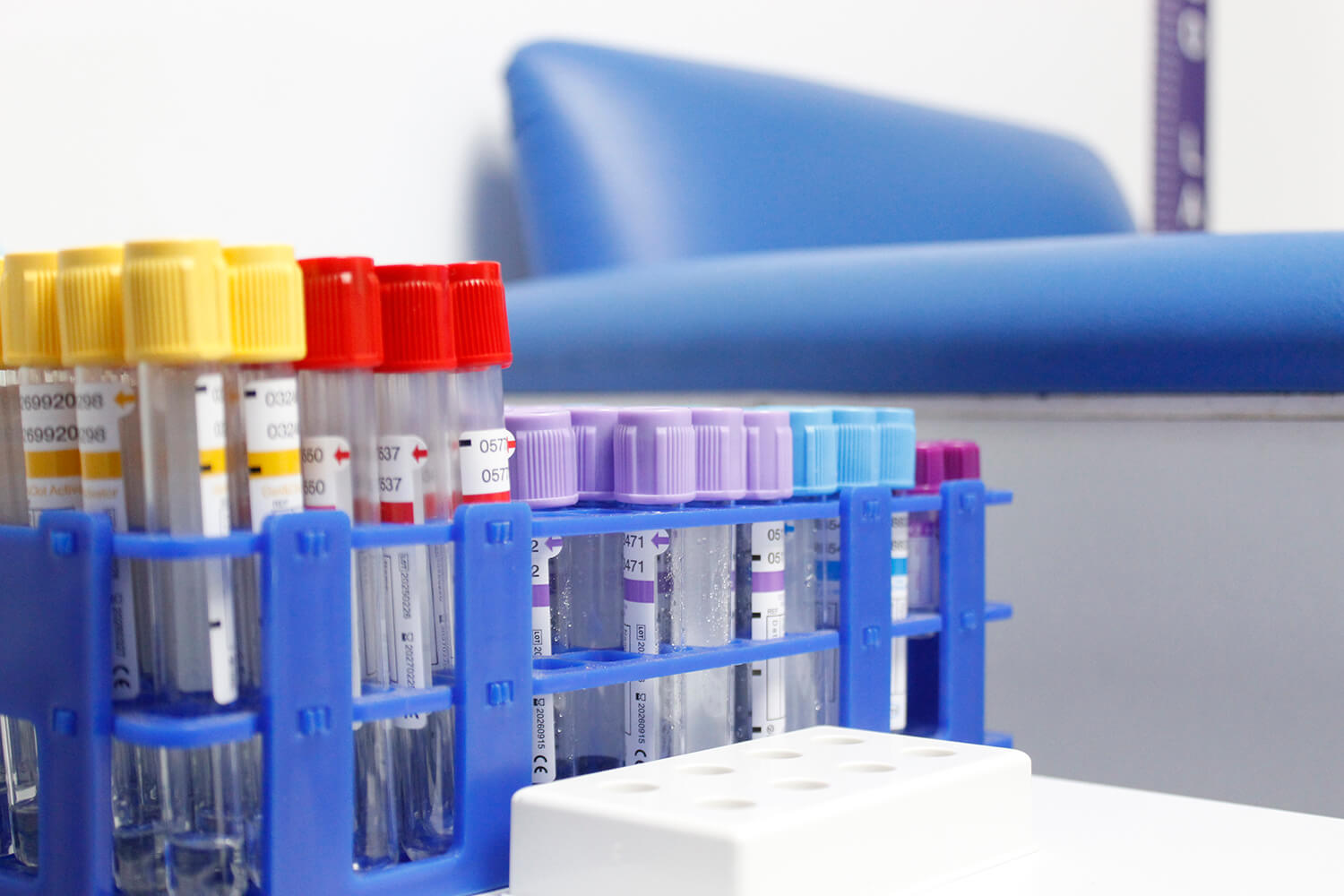
Not all centers offer the same quality. At Clinical Laboratory in La Trigaleña, we have modern equipment, decades of experience, and qualified personnel to guarantee accurate results and timely delivery.
Prevention is simpler and more effective than treatment. Having routine exams at least once a year allows you to detect problems early and take appropriate action. Scheduling an annual checkup is an investment in your health and your future.
At Laboratorio Clínico La Trigaleña, we offer a wide range of tests and professional advice so that your medical checkup is safe and reliable. Schedule your checkup and take care of your health preventively.
Laboratorio Clinico La Trigaleña

24-hour service


Our Instagram

Recent Posts


Laboratorio Clinico La Trigaleña
Follow us on Instagram

RIF: J-30095511-7
C.C. La Trigaleña Plaza
Piso 1, Valencia, Edo. Carabobo
Schedule:
Monday to Friday: 6:45 am – 8:00 pm
Saturdays and Sundays: 7:00 am – 5:00 pm
Av. Principal Hospital Carabobo,
Sector Coco Frío, Naguanagua
Schedule:
Monday to Monday: 24 Hours.

La Trigaleña
+58 (424) 461 4608
Naguanagua
+58 (424) 407 9635
Links of Interest
Contact us
About us
Laboratory
Home Consultations
Privacy Policy
Webmail
© 2026 Laboratorio Clinico La Trigaleña, C.A. | All rights reserved | Developed with  by Kiwi - Agencia Creativa

La Trigaleña
+58 (424) 461 4608
Naguanagua
+58 (424) 407 9635
RIF: J-30095511-7
C.C. La Trigaleña Plaza
Piso 1, Valencia, Edo. Carabobo
Schedule:
Monday to Friday: 6:45 am – 8:00 pm
Saturdays and Sundays: 7:00 am – 5:00 pm
Av. Principal Hospital Carabobo,
Sector Coco Frío, Naguanagua
Schedule:
Monday to Monday: 24 Hours.
Links of Interest
Contact us
About us
Laboratory
Home Consultations
Privacy Policy
© 2025 Laboratorio Clinico La Trigaleña, C.A.
All right reserved
Developed with by Kiwi - Agencia Creativa