


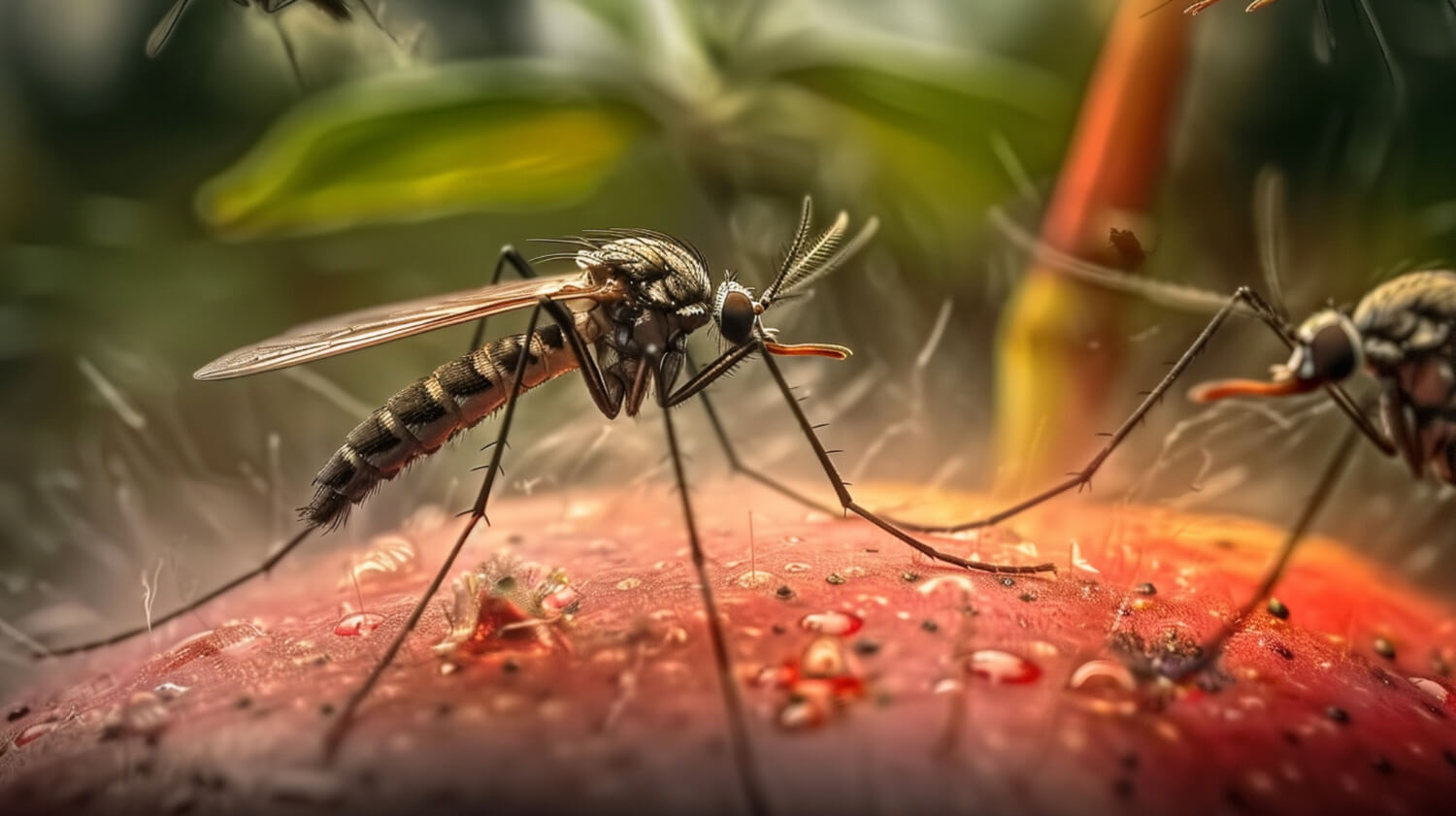

Dengue, flu, or respiratory virus?
Key lab tests to differentiate your symptoms
Experiencing a sudden fever, general malaise, or body aches is a common occurrence in our country. Given the coexistence of epidemic outbreaks, a very common question among people is whether their symptoms correspond to dengue fever, the common flu, or some other respiratory virus. Although these illnesses often manifest with similar symptoms in their early stages, their consequences and treatments are completely different.
Resorting to self-medication or waiting for the fever to subside on its own without an accurate diagnosis can pose a serious health risk. Therefore, going to a clinical laboratory in Venezuela to have the corresponding blood tests done is the first essential step to obtain safe and timely treatment.
The Importance of Differential Diagnosis in Cases of Fever and General Malaise
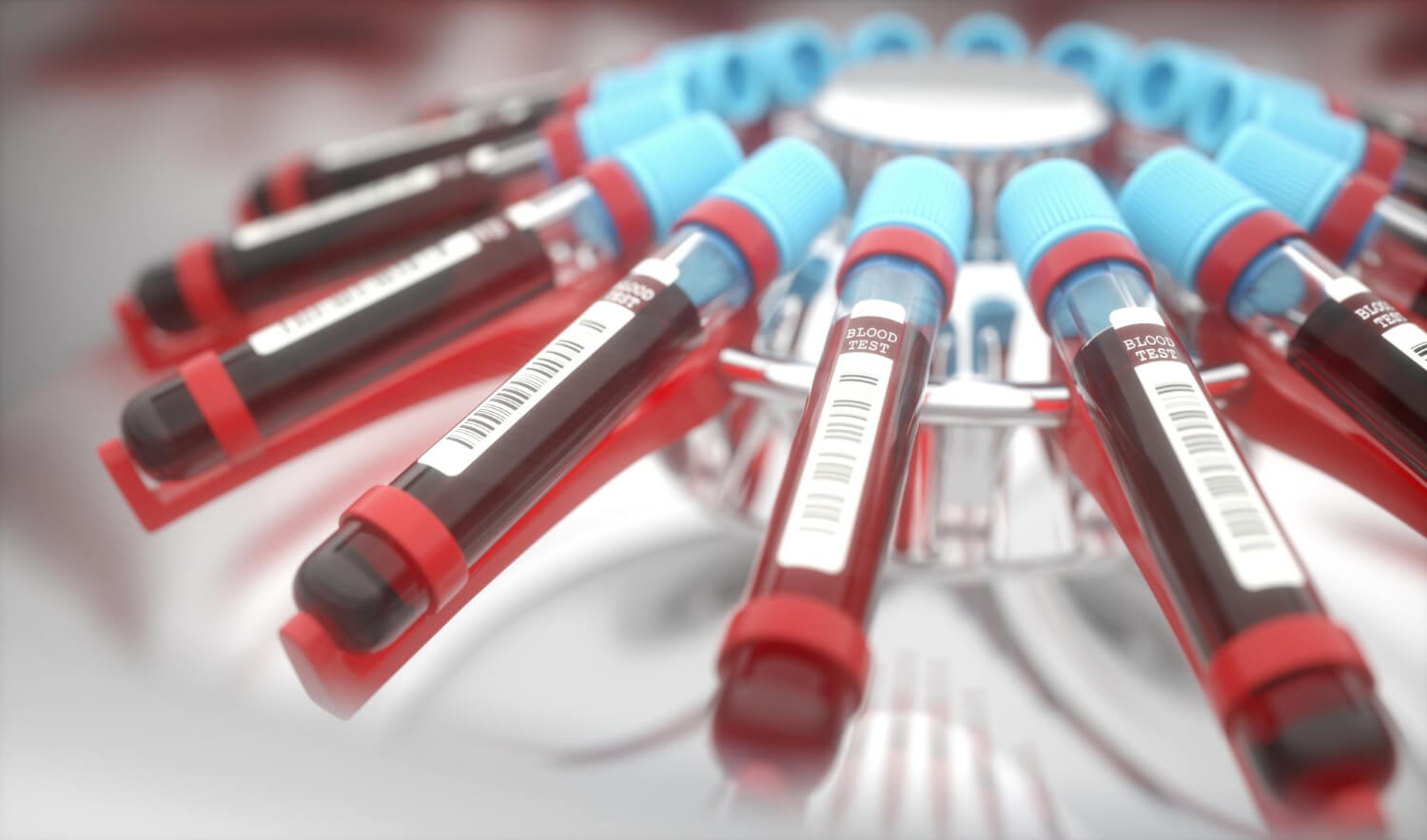
Differential diagnosis is the medical process by which the specific pathology causing the patient’s symptoms is determined. In the first three days of fever, illnesses such as dengue, influenza, respiratory syncytial virus (RSV), or COVID-19 can share clinical manifestations such as:
Sudden onset of high fever
Intense muscle and joint pain
Prolonged headache
Extreme fatigue and weakness
However, confusing these illnesses can lead to severe complications. For example, the imprudent use of nonsteroidal anti-inflammatory drugs (such as ibuprofen or diclofenac) in dengue patients can trigger severe bleeding due to a drop in platelets. Identifying the true cause through biochemical analysis prevents these types of errors.
Essential laboratory tests for identifying the virus
To determine the exact cause of the clinical presentation, medical professionals and laboratory technicians evaluate various blood markers. Key tests recommended for suspected fever or respiratory illness include:
1. Complete Blood Count
A complete blood count (CBC) is the basic initial evaluation for any infectious process. This test analyzes three essential components:
- Platelets: A significant decrease in the platelet count (thrombocytopenia) is one of the characteristic signs of dengue and indicates a risk of bleeding.
- White Blood Cells (Leukocytes): These help differentiate whether the body is fighting a viral or bacterial infection. In viral infections such as influenza or dengue, a decrease in white blood cells (leukopenia) is commonly observed.Hematocrit: Evaluates the concentration of red blood cells. A progressive increase in hematocrit suggests hemoconcentration, a warning sign of plasma leakage in cases of severe dengue.2. Specific tests for dengue screening (NS1, IgG, and IgM)
 When dengue is suspected, the time elapsed since the onset of fever determines which serological or antigen test should be performed:
-
- NS1 Antigen: It is highly effective during the first 1 to 5 days after the onset of symptoms. It directly detects a dengue virus protein in the blood.
- IgM Antibodies: They begin to rise from the fifth or sixth day of infection, indicating an active or recent infection.
- IgG Antibodies: They help identify whether the patient has had previous exposure to the virus or is in a late stage of the disease.
3. Screening Tests for Respiratory Viruses
If the symptoms are accompanied by nasal discharge, cough, sore throat, or difficulty breathing, it is advisable to perform rapid swab tests or serological analyses to detect the presence of Influenza A/B, COVID-19, or Respiratory Syncytial Virus, thus ruling out pulmonary complications.
Professional Care and Reliable Diagnosis
Obtaining accurate and reliable results in the shortest possible time is essential for your treating physician to determine the appropriate course of action. At Laboratorio Clínico La Trigaleña, we have the technology, guaranteed reagents, and trained personnel to process your fever and hematological profiles with the strictest quality standards.
Do you have any questions? If you wish, you can write to Dr. Miguel Morales at the following link to receive personalized guidance on the tests you need before visiting our facilities.
General Recommendations in the Presence of Symptoms
If you or a family member experience fever or respiratory symptoms, we suggest following these guidelines while you await your biochemical results:
-
-
- Stay well hydrated with water, oral rehydration solution, or natural juices.
- Strictly avoid self-medication, especially the consumption of aspirin, ibuprofen, or antibiotics without a prescription.
- Rest in bed and monitor your body temperature.
- Go to the emergency room immediately if you experience warning signs such as severe abdominal pain, persistent vomiting, or bleeding from the gums or nose.
-
In the face of viral outbreaks in the community, prevention and accurate diagnosis are your best allies. Early differentiation between dengue, influenza, and another respiratory virus allows for the appropriate treatment, prevents serious complications, and protects the health of the entire family. Going to a qualified clinical laboratory in Venezuela to have a complete blood count and dengue screening is the most responsible decision in the event of any fever.
-
Laboratorio Clinico La Trigaleña

24-hour service


Our Instagram

Recent Posts


Laboratorio Clinico La Trigaleña
Follow us on Instagram
RIF: J-30095511-7
C.C. La Trigaleña Plaza
Piso 1, Valencia, Edo. Carabobo
Schedule:
Monday to Friday: 6:45 am – 8:00 pm
Saturdays and Sundays: 7:00 am – 5:00 pm
Av. Principal Hospital Carabobo,
Sector Coco Frío, Naguanagua
Schedule:
Monday to Monday: 24 Hours.

La Trigaleña
+58 (424) 461 4608
Naguanagua
+58 (424) 407 9635
Links of Interest
Contact us
About us
Laboratory
Home Consultations
Privacy Policy
Webmail
© 2026 Laboratorio Clinico La Trigaleña, C.A. | All rights reserved | Developed with  by Kiwi - Agencia Creativa

La Trigaleña
+58 (424) 461 4608
Naguanagua
+58 (424) 407 9635
RIF: J-30095511-7
C.C. La Trigaleña Plaza
Piso 1, Valencia, Edo. Carabobo
Schedule:
Monday to Friday: 6:45 am – 8:00 pm
Saturdays and Sundays: 7:00 am – 5:00 pm
Av. Principal Hospital Carabobo,
Sector Coco Frío, Naguanagua
Schedule:
Monday to Monday: 24 Hours.
Links of Interest
Contact us
About us
Laboratory
Home Consultations
Privacy Policy
© 2025 Laboratorio Clinico La Trigaleña, C.A.
All right reserved
Developed with by Kiwi - Agencia Creativa