


Vitamin and mineral deficiencies:
how to prevent them with diet and laboratory tests
What are vitamin and mineral deficiencies?
Vitamins and minerals are essential micronutrients that play a role in metabolism, tissue formation, immune function, bone health, and energy production. Deficiencies occur when dietary intake is insufficient—or when there is malabsorption, loss, or interaction with medications.
Some common deficiencies:
- Vitamin B12: necessary for neurological function and red blood cell formation.
- Folic acid (vitamin B9): essential for DNA synthesis and fetal development.
- Iron (ferritin): key for oxygen transport.
- Vitamin D: regulates calcium absorption and bone health.
- Zinc and magnesium: important for immune and muscle function.
Warning signs

Not all deficiencies cause early symptoms, but these signs may suggest a deficiency:
- Persistent tiredness and lack of energy.
- Pale skin, brittle nails, or hair loss.
- Dizziness, palpitations, or weakness.
- Tingling, numbness, or neurological changes.
- Frequent infections or poor wound healing.
Even if you feel you have some of these symptoms, it is important not to self-medicate. If you need help, contact a specialist through the following link: Dr. Miguel Morales
Nutrition as a Preventive Pillar
A varied and balanced diet is the first line of defense. Practical recommendations:
- B vitamins: include whole grains, legumes, lean meats, eggs, and leafy green vegetables.
- Iron: lean meats, chicken, fish, legumes, and spinach; Take them with vitamin C to improve absorption.Calcium and vitamin D: dairy products, fatty fish (sardines, salmon), nuts, and moderate sun exposure.Zinc and magnesium: nuts, seeds, legumes, and whole grains.Variety: avoid depending on just a few foods; Consume a variety of fruits, vegetables, protein sources, and grains to cover a broad spectrum of micronutrients.
- Beware of antinutrients: Excessive phytates or oxalates, and very high consumption of coffee or tea, can decrease mineral absorption.
Useful laboratory tests for detecting deficiencies
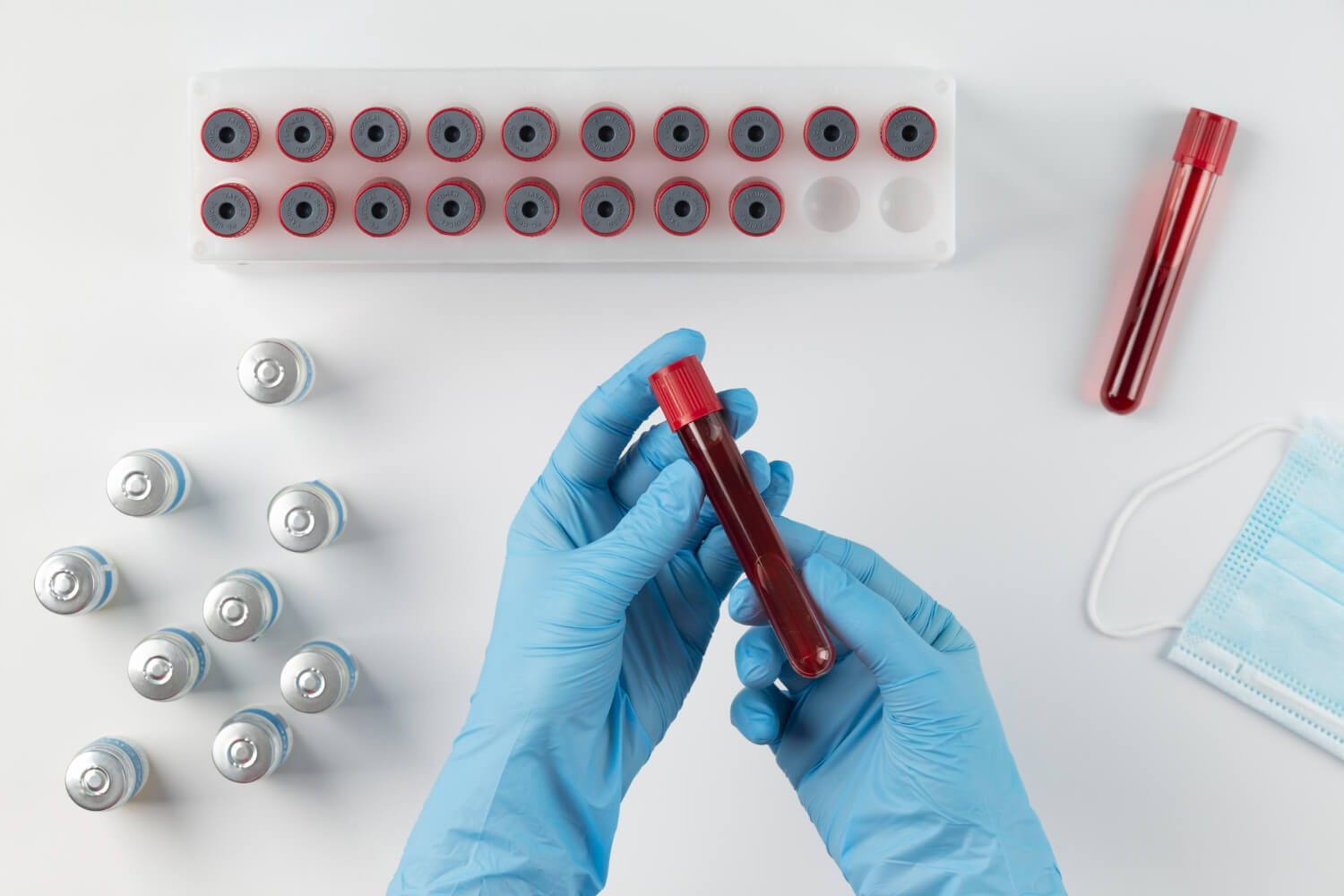
Clinical tests allow for the quantification of levels and guide treatment. Among the most relevant tests are:
| Test | Usefulness |
|---|---|
| Serum Vitamin B12 | Detects B12 levels in the blood; useful if there are neurological symptoms or anemia. |
| Folic Acid (Folate) | Evaluates B9 reserves; essential in women of reproductive age. |
| Serum Ferritin | Indicator of iron reserves; Detects deficiency anemia. |
| Serum Iron / TIBC / Saturation | Evaluates iron transport and availability in the blood. |
| Vitamin D 25-OH | Assesses vitamin D status and helps indicate supplementation if necessary. |
| Serum Zinc and Magnesium | Detects deficiencies of these essential minerals. |
| Complete Nutritional Profile | Panel that includes multiple micronutrients in a single test. |
Interpretation and treatment plan Action
After obtaining the laboratory results:
- Compare values with the laboratory’s reference ranges.
- Integrate the results with symptoms, age, illnesses, and medications.
- Design a strategy: dietary adjustment, supervised supplementation, and follow-up.
- Schedule follow-up with new tests (e.g., every 3–6 months) to confirm recovery.
Benefits of early prevention
Detecting and correcting deficiencies early allows you to:
- Improve energy and quality of life.
- Reduce the risk of anemia, osteoporosis, and neurological problems.
- Optimize physical and intellectual performance.
- Avoid unnecessary or prolonged use of supplements without a prescription.
How the Clinical Laboratory can help you Trigaleña
At Laboratorio Clínico La Trigaleña, we perform reliable tests such as vitamin B12, folic acid, ferritin, and complete nutritional profiles. We offer sample collection at our facility and home service for your convenience, with results delivered and professionally interpreted to support your doctor or nutritionist.
Vitamin and mineral deficiencies are common but preventable. A balanced diet is the foundation, and laboratory tests are essential to detect hidden deficiencies and guide treatment. If you suspect a deficiency or want a preventive checkup, consult a professional and get the appropriate tests done.
Laboratorio Clinico La Trigaleña

24-hour service


Our Instagram

Recent Posts


Laboratorio Clinico La Trigaleña
Follow us on Instagram

RIF: J-30095511-7
C.C. La Trigaleña Plaza
Piso 1, Valencia, Edo. Carabobo
Schedule:
Monday to Friday: 6:45 am – 8:00 pm
Saturdays and Sundays: 7:00 am – 5:00 pm
Av. Principal Hospital Carabobo,
Sector Coco Frío, Naguanagua
Schedule:
Monday to Monday: 24 Hours.

La Trigaleña
+58 (424) 461 4608
Naguanagua
+58 (424) 407 9635
Links of Interest
Contact us
About us
Laboratory
Home Consultations
Privacy Policy
Webmail
© 2026 Laboratorio Clinico La Trigaleña, C.A. | All rights reserved | Developed with  by Kiwi - Agencia Creativa

La Trigaleña
+58 (424) 461 4608
Naguanagua
+58 (424) 407 9635
RIF: J-30095511-7
C.C. La Trigaleña Plaza
Piso 1, Valencia, Edo. Carabobo
Schedule:
Monday to Friday: 6:45 am – 8:00 pm
Saturdays and Sundays: 7:00 am – 5:00 pm
Av. Principal Hospital Carabobo,
Sector Coco Frío, Naguanagua
Schedule:
Monday to Monday: 24 Hours.
Links of Interest
Contact us
About us
Laboratory
Home Consultations
Privacy Policy
© 2025 Laboratorio Clinico La Trigaleña, C.A.
All right reserved
Developed with by Kiwi - Agencia Creativa